Get Commercial Roof Inspection Service
Commercial roof inspection services help property owners identify issues, assess roof condition, and prevent costly repairs by connecting them with experienced local contractors.
If you own commercial property in the area, scheduling a roof inspection can be an important step in maintaining the integrity and safety of your building. Regular inspections help identify potential issues early, allowing for proactive planning of repairs or upgrades that can prevent costly damage down the line. Property owners often explore these services to ensure their roofs remain durable and reliable, especially in preparation for upcoming projects or seasonal changes.
Connecting with experienced service providers in the area makes it easier to compare local options and find the right contractor for your specific needs. Whether you're considering a routine check or addressing particular concerns, trusted local contractors can provide the expertise necessary to support your property’s longevity. Keep reading to discover how professional roof inspections can help you protect your investment and plan effectively for future maintenance.
- Flat commercial roofs - when signs of wear or damage suggest the need for a thorough inspection.
- Pitched commercial roofs - prior to major weather events or after severe storms to assess potential damage.
- Industrial roofing systems - during routine maintenance schedules to ensure ongoing integrity.
- Retail and warehouse roofs - when planning renovations or upgrades that require a detailed roof assessment.
- Multi-story building roofs - as part of regular property evaluations to identify potential issues early.
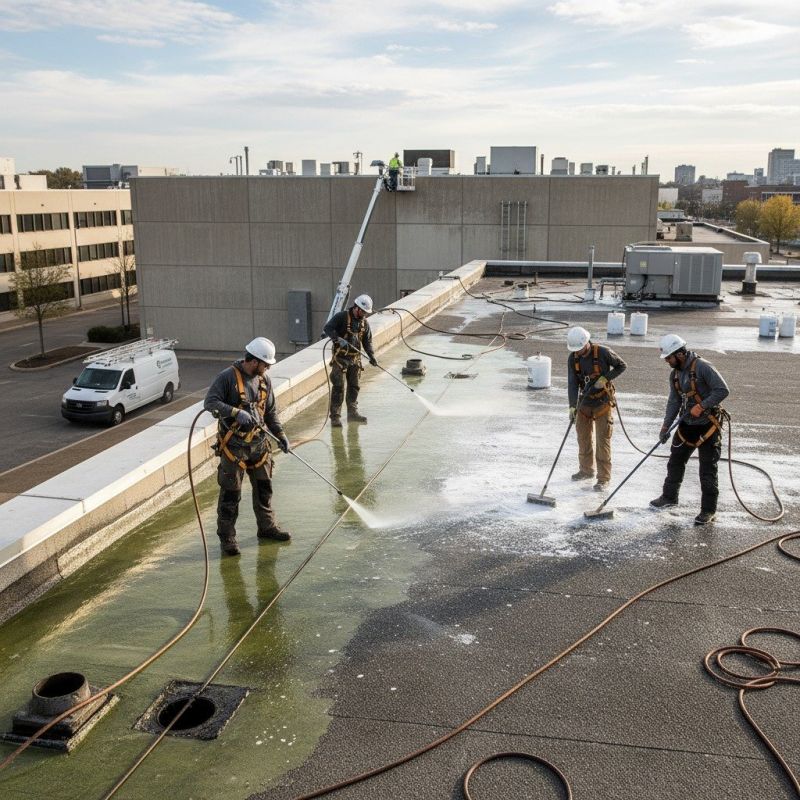
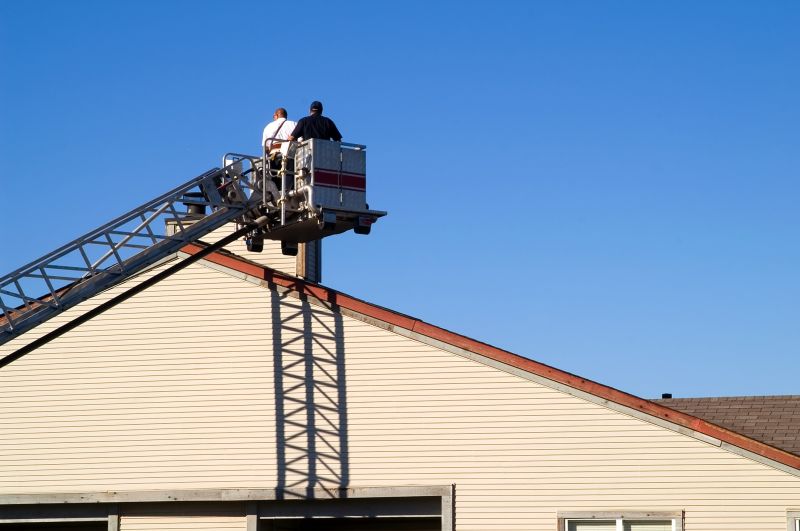
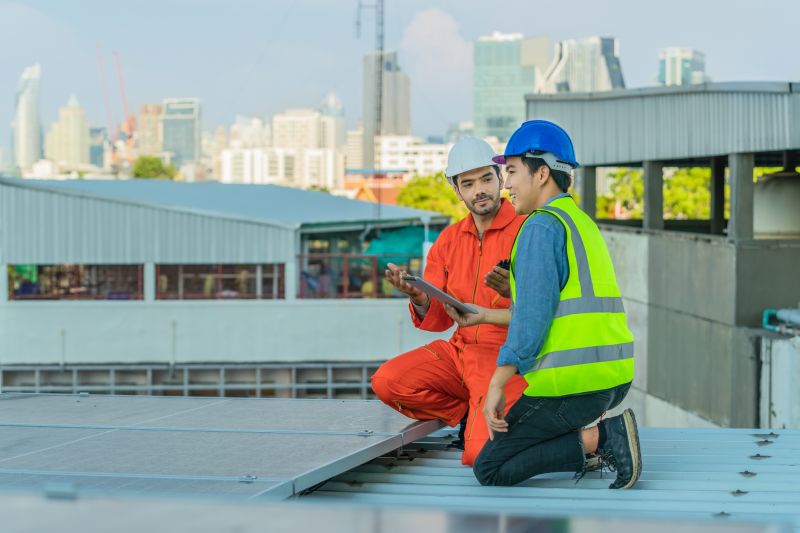
Commercial roof inspection services involve a thorough assessment of a building’s roofing system to identify potential issues and ensure it remains in good condition. These inspections typically include a visual evaluation of the roof’s surface, flashing, gutters, and drainage systems, as well as checking for signs of wear, damage, or deterioration. Service providers may also use specialized tools or equipment to detect problems that aren’t immediately visible, such as leaks or structural weaknesses. Regular inspections help property owners maintain the integrity of their roofs and prevent small issues from escalating into costly repairs or replacements.
The primary purpose of commercial roof inspections is to detect problems early before they lead to significant damage or operational disruptions. Common issues identified during inspections include leaks, ponding water, damaged or missing shingles, compromised flashing, and areas of wear caused by weather exposure or aging materials. By catching these problems early, property owners can plan repairs or maintenance more effectively, reducing the risk of leaks, mold growth, or structural deterioration. Inspections can also verify that existing roofing systems meet safety and building standards, helping to avoid potential liabilities.
This service is often utilized by a variety of property types, including office buildings, retail centers, warehouses, industrial facilities, and multi-family complexes. Commercial properties with flat or low-slope roofs are especially common candidates for regular inspections, as these roof styles are more prone to issues like ponding water and membrane damage. Property managers and building owners rely on inspections to maintain the value of their investments, ensure safe operations, and extend the lifespan of their roofs. Even smaller commercial properties can benefit from routine inspections to address minor concerns before they develop into major problems.
Homeowners and small business owners may also find commercial roof inspection services useful, particularly if their property has a flat roof or if they are planning renovations or repairs. These inspections can help identify existing issues that need attention or confirm the condition of a roof before purchasing or leasing a property. Regular inspections provide peace of mind by ensuring the roofing system is sound and capable of protecting the building’s interior from weather-related damage. Contacting local contractors for a professional assessment can be a practical step toward maintaining a safe, durable, and reliable roof for any commercial property.
The overview below groups typical Commercial Roof Inspection Service projects into broad ranges so you can see how smaller, mid-sized, and larger jobs often compare in your area.
In many markets, a large share of routine jobs stays in the lower and middle ranges, while only a smaller percentage of projects moves into the highest bands when the work is more complex or site conditions are harder than average.
Smaller Repairs - Typically, local contractors charge between $250 and $600 for routine roof inspections and minor repairs. Many projects fall within this middle range, covering common issues like small leaks or damaged flashing.
Moderate Maintenance - Larger inspections or repairs, such as fixing multiple leak points or addressing surface wear, can range from $600 to $1,500. These projects are common for commercial roofs needing thorough evaluations.
Full Roof Assessments - Comprehensive inspections for larger or more complex roofs often cost between $1,500 and $3,000. Many service providers handle these in the middle tier, with fewer projects reaching higher costs.
Complete Roof Replacement - Full roof replacements or major overhauls can exceed $5,000, depending on size and materials. These are less frequent and represent the higher end of typical project costs handled by local pros.
Actual totals will depend on details like access to the work area, the scope of the project, and the materials selected, so use these as general starting points rather than exact figures.
Commercial Building Maintenance Inspections - these projects involve assessing the overall condition of commercial structures, utilizing similar inspection techniques and planning processes as roof evaluations.
Industrial Facility Assessments - inspecting large industrial roofs and structures requires specialized tools and planning, aligning with the skills used in commercial roof inspections.
Waterproofing System Evaluations - evaluating existing waterproofing systems on commercial buildings shares inspection methods and planning considerations with roof assessments.
Construction Site Safety Inspections - these projects involve inspecting construction sites for safety compliance, using similar planning and inspection skills as roof evaluations.
Building Envelope Inspections - assessing the exterior components of commercial buildings, including walls and roofing, involves comparable skills and tools used in roof inspections.
Facade Condition Surveys - examining the condition of building facades requires detailed inspection planning and techniques similar to those used in roof evaluations.
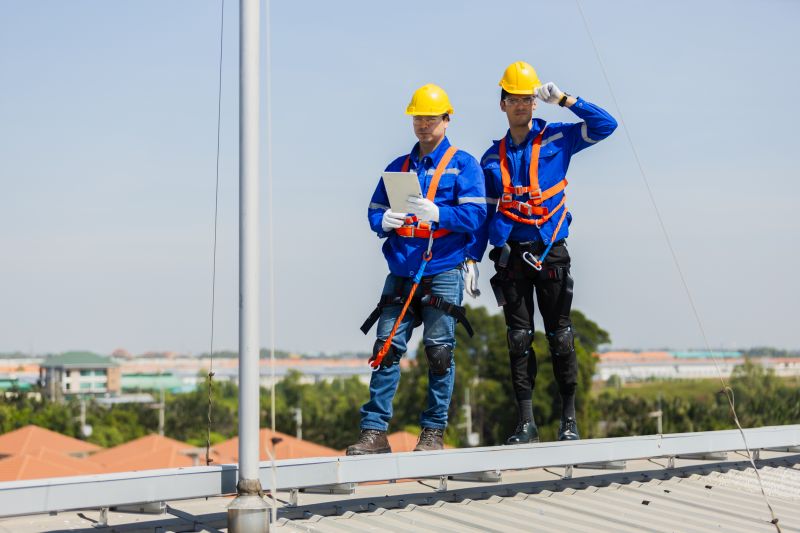
When evaluating potential service providers for commercial roof inspections, it’s important to consider their experience with similar projects. A contractor who has handled a variety of commercial roofing systems and building types is more likely to understand the unique challenges and requirements of your property. Reviewing their portfolio or asking about past work can provide insight into their familiarity with the specific conditions and materials involved in your roof’s inspection needs. This background helps ensure that the contractor has the practical knowledge necessary to perform a thorough and accurate assessment.
Clear, written expectations are essential to establishing a successful working relationship with local contractors. When comparing options, look for providers who can offer detailed descriptions of their inspection process, deliverables, and scope of work in writing. Having these details documented helps prevent misunderstandings and ensures that both parties are aligned on what will be done. It also provides a reference point should questions or concerns arise later in the project, contributing to a smoother inspection experience.
Reputable references and effective communication are key factors to consider when choosing local service providers. Asking for references from previous commercial clients can reveal insights into the contractor’s reliability, professionalism, and quality of work. Additionally, good communication-whether through prompt responses, clarity in explanations, or openness to questions-indicates a contractor’s commitment to customer service. These qualities can help foster a transparent and cooperative process, making it easier to address any issues that may come up during the inspection or afterward.
Property owners use Commercial Roof Inspection Service services for practical projects around their homes and businesses. This guide focuses on everyday jobs and straightforward project options.
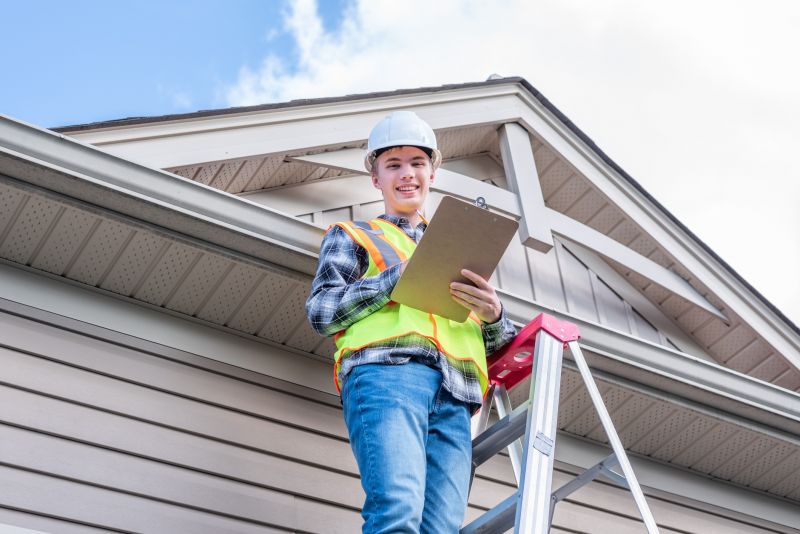
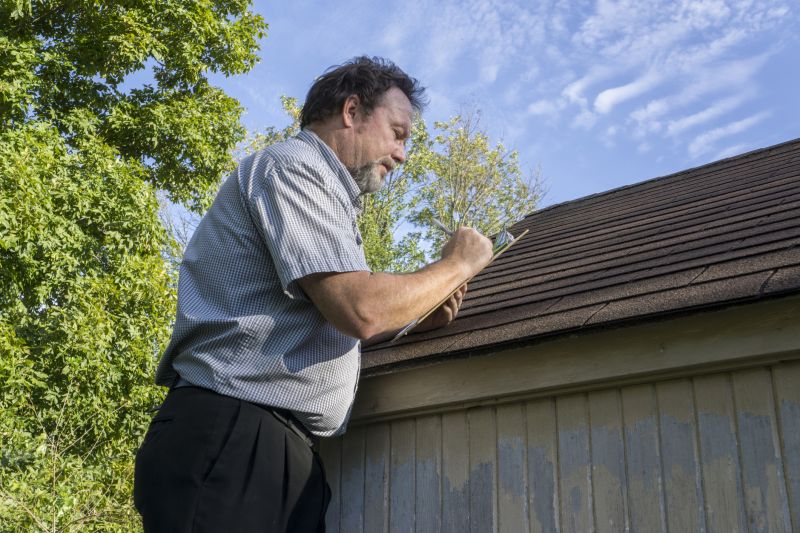
Commercial roof inspections are often needed after severe weather events, such as storms or heavy winds, which can cause damage or wear to roofing systems. Property owners in the area might seek these services to identify potential issues early, helping to prevent costly repairs or leaks down the line. Additionally, routine inspections are a common part of maintaining the integrity of commercial roofs, ensuring that any minor problems are caught before they develop into more significant concerns.
Business owners and property managers may also look for roof inspection services when preparing for property transactions or insurance claims. Regular inspections can provide documentation of the roof’s condition, which is useful during appraisals or disputes. Local contractors offering commercial roof inspections are equipped to assess the current state of a roof, recommend necessary repairs, and help property owners maintain the safety and functionality of their buildings.
What is involved in a commercial roof inspection? A commercial roof inspection typically includes a visual assessment of the roof’s surface, checking for damage, leaks, and wear, as well as evaluating drainage systems and roof components.
How often should a commercial roof be inspected? Regular inspections are recommended at least once a year and after severe weather events to identify potential issues early and maintain the roof’s integrity.
What signs indicate a need for a roof inspection? Signs such as water stains inside the building, visible damage or sagging on the roof, or increased energy costs can suggest that a roof inspection may be necessary.
Can a commercial roof inspection help prevent costly repairs? Yes, routine inspections can identify minor issues before they develop into major problems, helping to prevent costly repairs and extend the roof’s lifespan.
How do local contractors perform a commercial roof inspection? Local contractors conduct inspections by examining the roof’s surface, checking for damage, testing drainage, and assessing overall condition to provide recommendations for maintenance or repairs.
Preventative Maintenance Planning - Property owners can schedule regular roof inspections to identify potential issues early and plan maintenance accordingly.
Insurance and Documentation - Having detailed inspection reports can assist in insurance claims or documenting roof conditions for future reference.
Renovation and Remodeling - When planning roof upgrades or modifications, inspections provide essential information about current roof conditions and structural integrity.
Property Management and Safety - Commercial property managers can use inspections to ensure safety standards are met and maintain building compliance.
If you are thinking about Commercial Roof Inspection Service for a property, this guide is meant to help you understand the work, the typical project types, and how different options might fit your plans.
When you are ready, you can use the quote form on this page to share a few details about your project. From there, local pros can review the basics and respond with options that match what you have in mind.